

How to Build a Practical PMP Study Plan
Turn the PMP syllabus into a realistic weekly plan built around understanding, practice, and review.
Read articleExplore practical project management guidance, certification preparation, leadership techniques, and tools you can apply at work.
Turn the PMP syllabus into a realistic weekly plan built around understanding, practice, and review.
Read article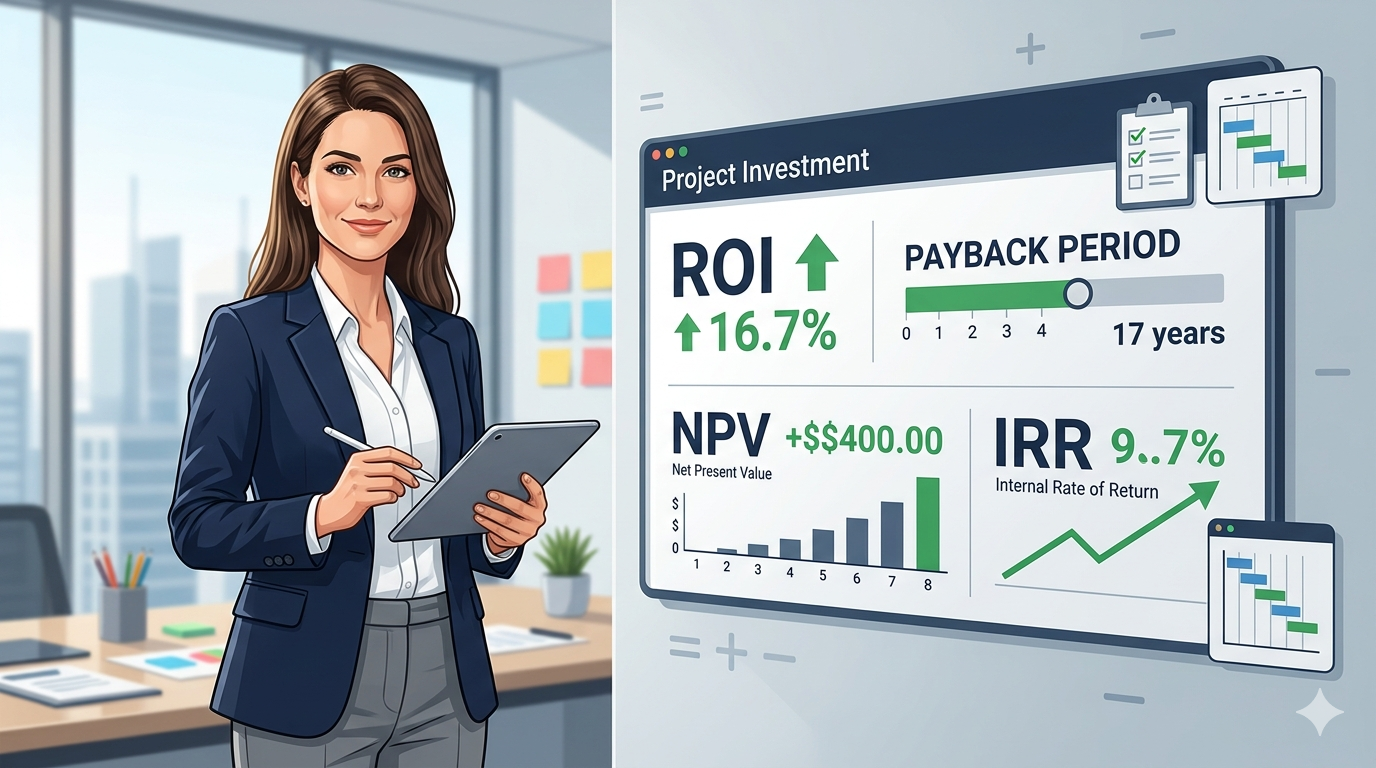
Project managers are often expected to speak two languages at the same time. One language is delivery: scope, schedule, resources, risks, issues, and stakeholders. The other language is business: investment, return, value, cash flow, and decision-making.
Read article
Want to understand project risk without getting lost in heavy math? This page brings together a practical series of articles that explain Monte Carlo simulation in plain language, then gradually move into deeper topics like dependencies, automation, dashboards, and cost risk.
Read article
You’re in a steering committee meeting. The sponsor wants one date for the board deck. Finance wants to know when costs will hit. Operations needs to plan handoffs. And someone turns to you, the project manager, and asks the question that sounds simple but never is:
Read article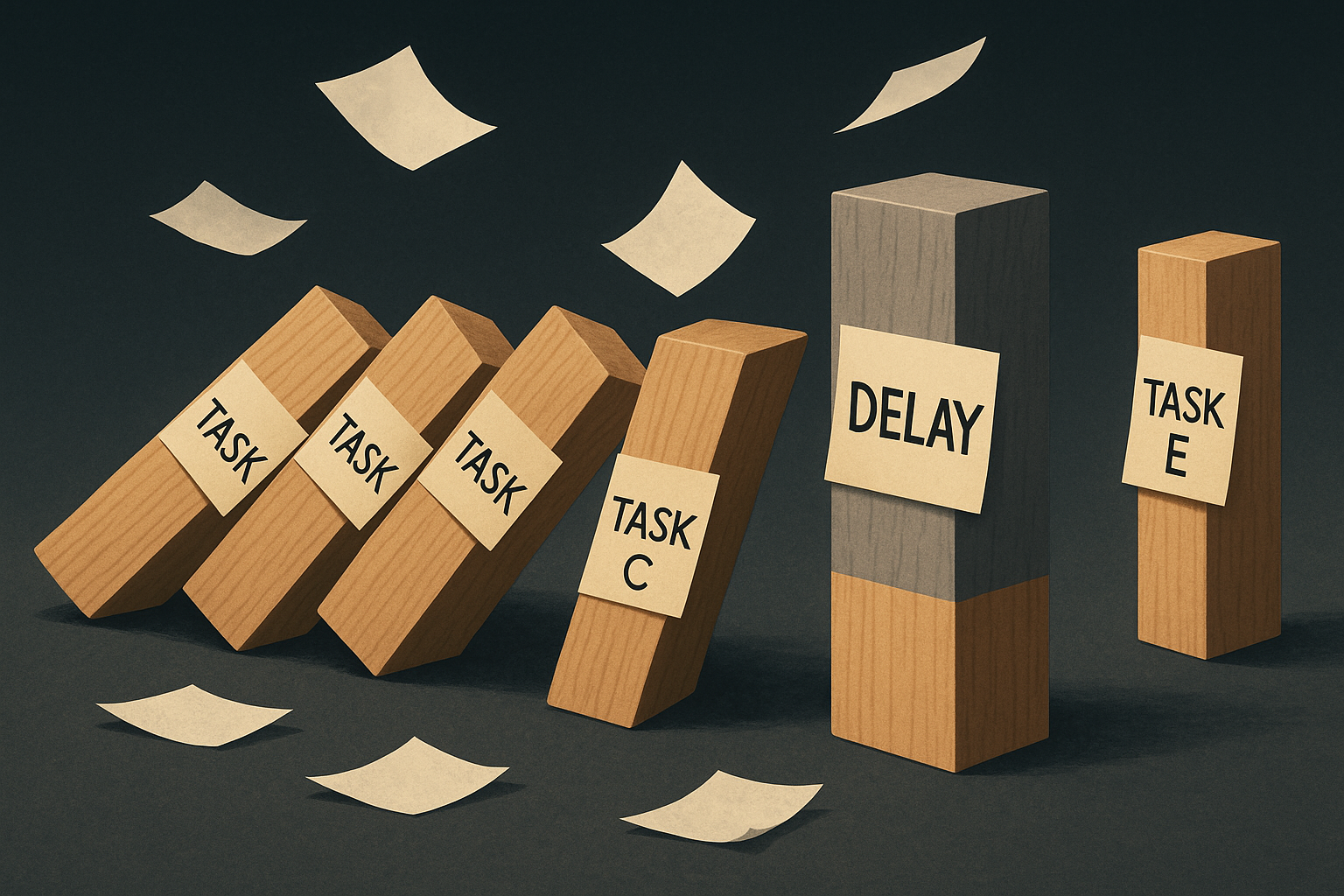
Project schedules usually look calm on paper. A few tasks, a few dates, a few arrows connecting one deliverable to the next. Then one team slips by three days, another waits for an input that is “almost done,” and suddenly a neat timeline turns into a traffic jam.
Read article
If you have ever walked into a steering committee with a risk report full of red, amber, and green flags, you already know the limitation. Stakeholders rarely want a static snapshot. They want to ask questions. What is the chance we finish by the board date?
Read article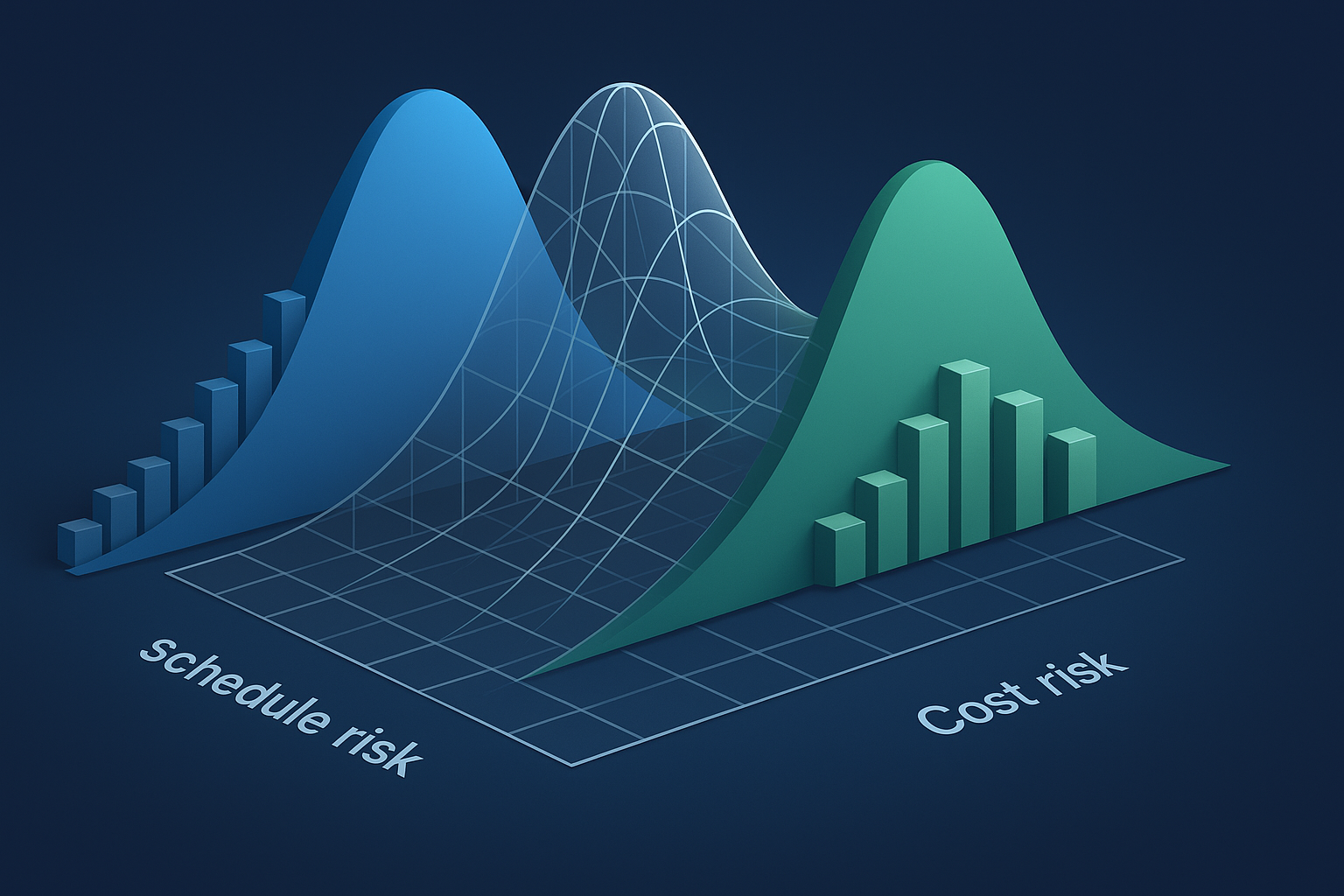
Most project leaders hear two different risk stories.
Read article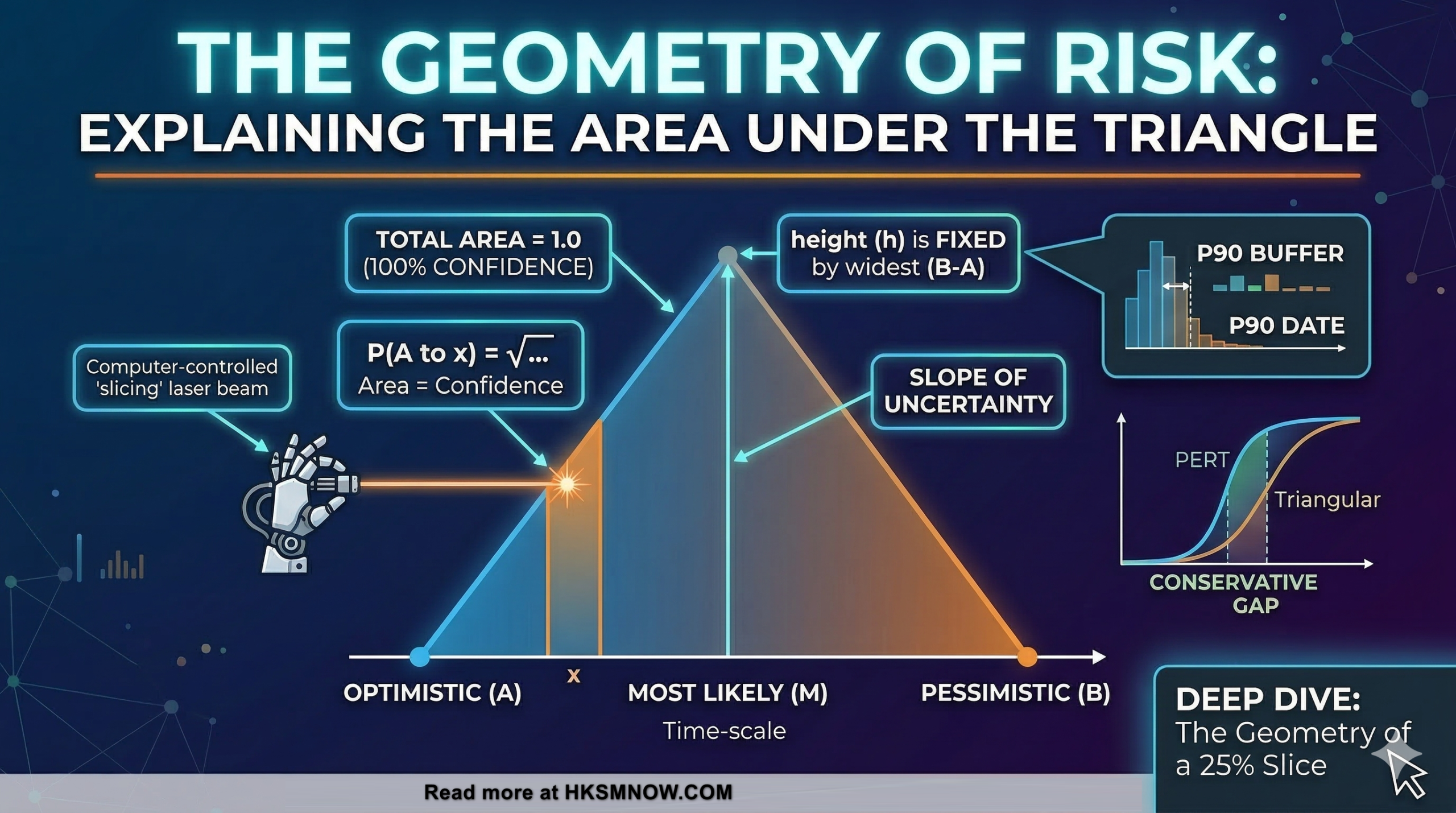
If you have been following this series, you now know how to use Monte Carlo simulation to predict your project’s finish date. You have seen the S-Curve, and you know how to find your P90 ‘Safe Zone.’ But as a project manager, knowing when you might finish is only half the battle.
Read article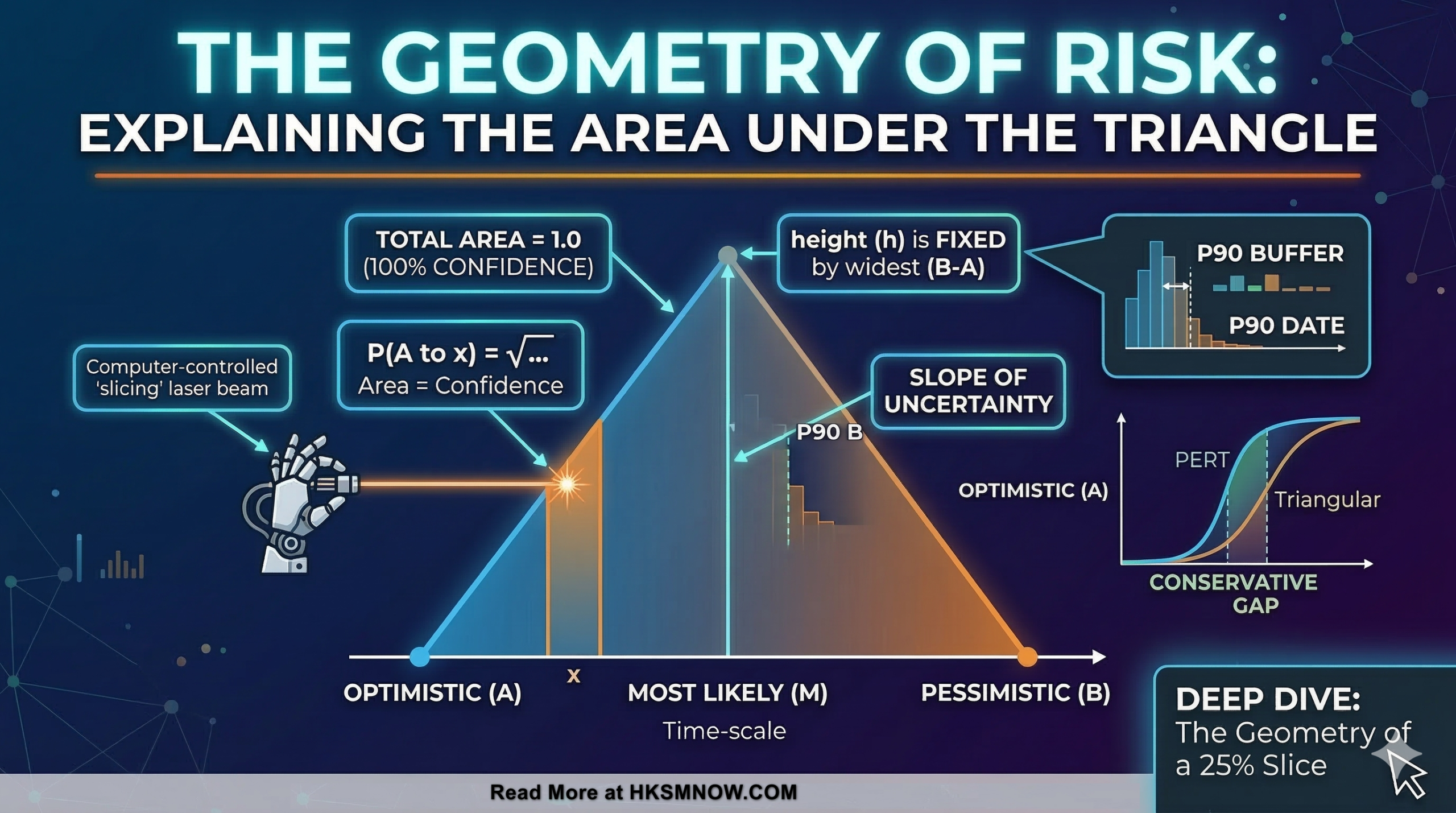
Have you ever wondered why, in a Monte Carlo simulation, a simple triangle can predict the future? It feels like a magic trick. You give the computer three numbers—Optimistic, Most Likely, and Pessimistic—and it spits out a range of possible dates.
Read article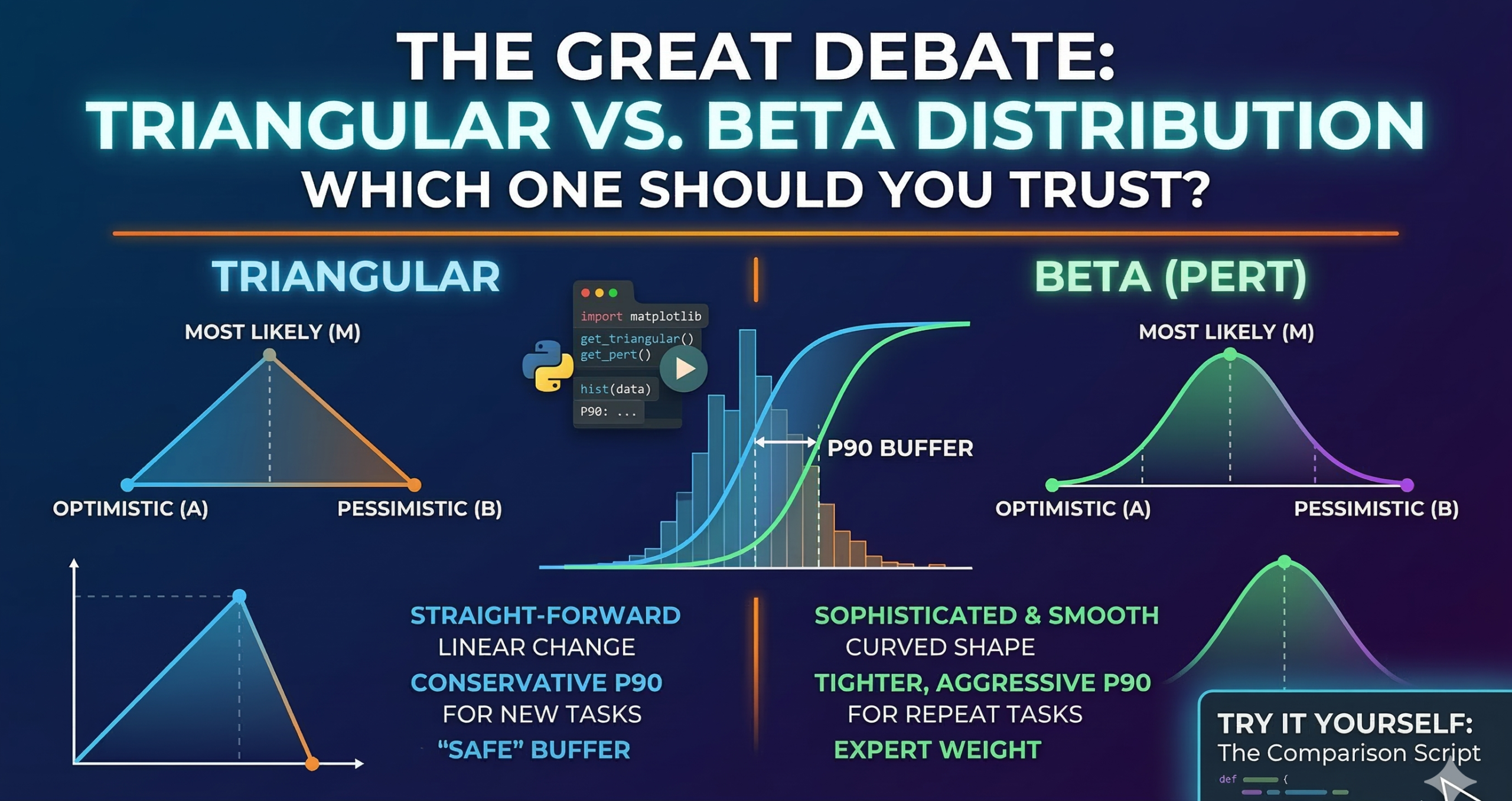
If you have spent any time in the world of project risk management, you have likely run into two heavyweight contenders. In one corner, we have the reliable, straightforward Triangular distribution . In the other, the sophisticated, smooth-curved Beta (or PERT) distribution .
Read article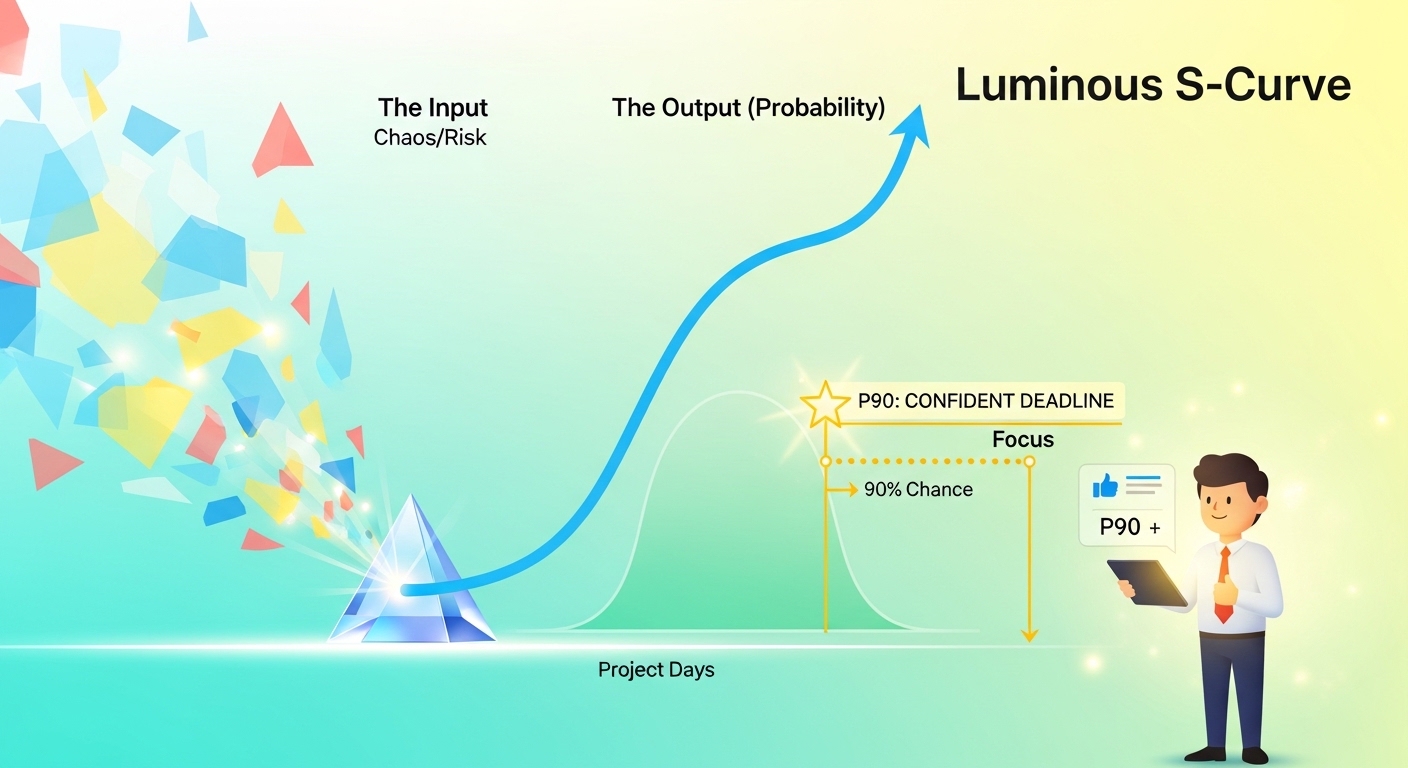
Have you ever stood in a boardroom, staring at a project schedule, and felt that tiny knot of anxiety in your stomach? You have given your boss a ‘go-live’ date. Your team has given you their best estimates.
Read article
Projects underpin modern value creation. The Project Management Body of Knowledge (PMBOK®) has long served as the reference for how projects should be managed.
Read article