
Estimate Activity Resources

The planning process used to figure out what people are needed and to quantify the types and amounts of materials, equipment, and supplies required to complete the project activities.

Key Points

  • Determines labor needs (skills, roles, quantities) for each activity.
  • Calculates the kinds and amounts of materials, equipment, and consumables required.
  • Produces resource requirements and the basis of estimates; may create a resource breakdown structure.
  • Informs scheduling and cost estimating and is refined as plans and risks evolve.

Example

On a website launch project, the team estimates that the "Build API" activity needs 2 backend developers for 3 weeks, 1 QA tester for 1 week, a staging server for 2 weeks, and test data sets. For "UX Validation," they estimate 1 UX researcher for 1 week, 10 participant incentives, and 5 tablets for usability testing.

PMP Example Question

Which process determines the number and types of team members and the quantities of materials and equipment needed for each activity?

  1. Develop Team
  2. Estimate Costs
  3. Estimate Activity Resources
  4. Acquire Resources

Correct Answer: C — Estimate Activity Resources

Explanation: Estimate Activity Resources identifies the people, materials, equipment, and supplies needed for activities. Acquire Resources obtains those resources; Estimate Costs focuses on monetary values; Develop Team improves team competencies.
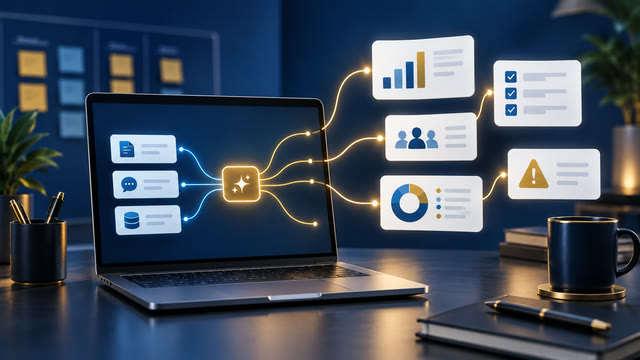
AI Systems with Claude, for Scrum Masters and Project Managers

Most AI pilots in project management do not fail on the model. They fail because somebody pointed the thing at a decision instead of at a task. This course is built around that distinction, and around the work that follows once you get it right.

Eight teaching sections, taught against one running project from the first lecture to the last. You watch a system get built, then you build the same one against your own sprint. Nothing here is a demo that works only on the example.

You finish with five working systems and you keep them. The sprint report machine turns your board export and standup notes into the report you currently write by hand. The retro intelligence system tells you what the team keeps saying, not just what it said this time. The stakeholder comms engine drafts the update in the register the audience expects. The backlog health monitor flags the quiet decay nobody has time to check for. The risk and dependency tracker follows the chains that actually bite.

Seventy-six working files ship with it, across four sections, so every system is built against real sprint data rather than material invented for a slide. Four sprints of retrospectives, board exports, standup notes, backlog and risk data.

Explore the Course


Become an AI-First Agile Leader!

HK School of Management and Technology helps you apply AI to Agile work with practical, prompt-based workflows for real-world Scrum challenges. Practical skills, tools, and guidance you can apply right away. Covered by Udemy's 30-day refund policy.

Learn More