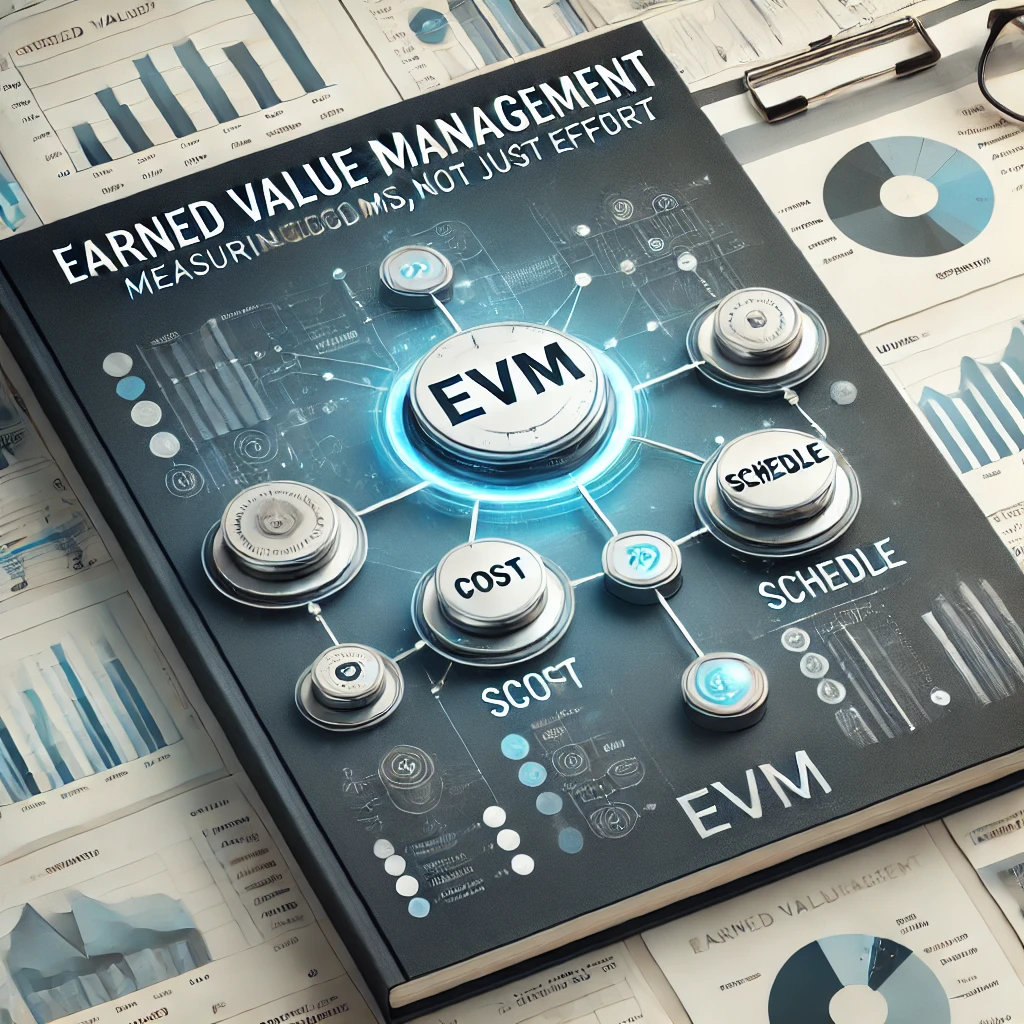
Mastering Earned Value Management: Measuring Outcomes, Not Just Effort
When managing a project, it’s easy to get lost in the details of tasks and activities. However, if you’re serious about delivering true value, Earned Value Management (EVM) is a powerful technique that will change how you approach projects. EVM goes beyond simply tracking the hours worked or tasks completed – it focuses on the outcomes that genuinely impact your project’s success.
At its core, EVM integrates three essential project components: scope, schedule, and cost. This holistic approach ensures you maintain balance and harmony between what you’re delivering, how long it takes, and how much it costs. But there’s a crucial principle that will maximize EVM’s potential: Focus on Measuring Outcomes, Not Just Effort.
Why Measuring Outcomes Matters
It’s tempting to assess project performance based on how much time the team has spent or the number of tasks completed. But these metrics can be deceptive. Effort doesn’t always equate to progress, and hours worked don’t necessarily mean tangible results. For that reason, objective metrics are far more reliable.
Here’s why focusing on outcomes is essential:
- Objective vs. Subjective: Subjective evaluations can mislead you about how much progress has really been made. Objective measures, on the other hand, clearly reflect what’s been achieved.
- Team Morale: Using subjective measures can lead to misunderstandings, which affect team dynamics. Teams perform better when everyone knows their work is being fairly and accurately evaluated.
- Forecasting Future Performance: Subjective metrics don’t give much insight into future performance. EVM, with its data-driven approach, helps project managers make informed predictions.
- Learning from Experience: Objective metrics give you the data you need to assess past performance. This data is invaluable for improving future projects.
The Triple Constraint: Cost, Scope, and Time
You’ve probably heard of the Triple Constraint – the three pillars that every project manager juggles: cost, scope, and time. These pillars are the foundation of EVM because they represent the project’s budget, deliverables, and timeline. Balancing these constraints is the key to ensuring project success.
EVM in Action: Tracking the Essentials
So how does EVM work in practice? It boils down to tracking three critical elements:
- The Budget Expended: How much of the allocated budget has been spent?
- The Work Accomplished: What tangible progress has been made toward completing the project’s objectives?
- The Time Taken: How long has it taken to achieve these results?
This approach ensures you’re not just busy but truly productive. By focusing on these components, you gain a clearer understanding of how efficiently the project is progressing and whether you’re on track to meet your goals.

Forecasting with EVM
One of the great advantages of EVM is its ability to help project managers forecast future outcomes. By analyzing historical data, EVM enables you to predict how the rest of the project will unfold. Are you likely to stay within budget? Will the project finish on time? EVM gives you the tools to answer these questions with confidence.
Integrated Baseline Reviews (IBRs) are a vital part of this forecasting process. These reviews ensure that everyone on the team shares a clear understanding of the project’s scope, timeline, and financial expectations. This shared clarity reduces the risk of miscommunication and keeps everyone aligned with the project’s goals.
Establishing the Project Baseline
Before you can measure project performance, you need to set a baseline. This baseline is essentially the project’s approved plan, encompassing the scope, time, and cost. The baseline serves as your reference point for evaluating progress. As work progresses, you’ll compare actual performance against this baseline to see whether the project is on track.
The Key Components of Effective EVM
Several key elements must be in place to ensure EVM’s effectiveness:
- Scope of Work (Work Package): Clearly defined tasks that outline what needs to be accomplished.
- Schedule and Time Estimates: A detailed timeline that includes time estimates for each task.
- Authorized Resources and Budget: The allocation of necessary resources and a budget that is formally approved.
Maintaining transparency and accountability is critical, which is why project team members must report their time and task progress accurately.
Vertical Traceability: A Clear Path to Success
Vertical traceability is a concept that ensures each task is traceable from the highest project objectives to the smallest task in the work breakdown structure (WBS). This alignment guarantees that every activity contributes to the overarching project goals. When you can trace work back to your project’s objectives, it’s easier to monitor and manage performance effectively.
Milestones and Control Accounts
Milestones are key checkpoints that mark significant achievements within the project. They allow you to assess whether the project is on track and provide opportunities to realign if necessary.
Control accounts, on the other hand, are designated points in the WBS where you monitor and manage both budget and progress. These accounts allow you to exercise detailed oversight and control, ensuring the project stays within budget and on schedule.
Conclusion: EVM as a Roadmap to Success
In summary, Earned Value Management provides a powerful framework for ensuring your project delivers real value. By focusing on outcomes rather than just effort, you gain valuable insights into project performance and can make data-driven decisions that keep your project on course. With EVM, you’ll have the tools to manage your scope, schedule, and budget more effectively and guide your team to success.
Stay tuned to our blog for more practical insights into project management, and check out our courses to deepen your understanding of how to implement these concepts in real-world projects!