
Quality

The extent to which the built-in characteristics of a product, service, or process satisfy the stated or implied requirements.

Key Points

  • Quality means conformance to requirements, not luxury or grade.
  • It is verified against clear acceptance criteria, specs, and tolerances.
  • Planned and managed through quality planning, assurance, and control.
  • Prevention is preferred: building quality in costs less than fixing defects later.

Example

A software project specifies that page loads must be under 2 seconds for 95% of requests and uptime must be 99.9%. The team designs performance tests, monitors metrics, and fixes bottlenecks. When test results meet these thresholds, the deliverable is considered to have the required quality.

PMP Example Question

Which statement best describes quality in a project?

  1. How well a deliverable's inherent attributes meet agreed requirements.
  2. The number of features and options a deliverable provides.
  3. Stakeholder satisfaction regardless of specifications.
  4. Finishing the project on time and under budget.

Correct Answer: A — How well inherent characteristics meet requirements

Explanation: Quality is about conformance to requirements. It is different from grade (features), perceived value, and schedule or cost performance.
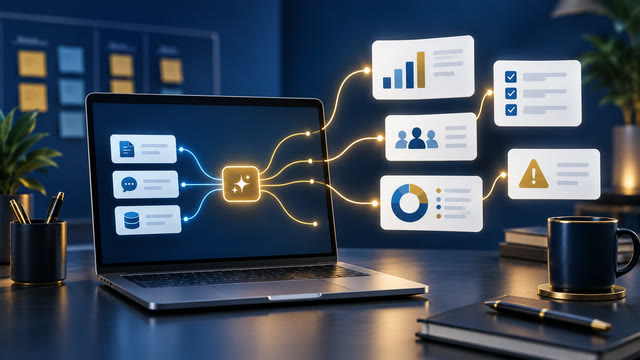
AI Systems with Claude, for Scrum Masters and Project Managers

Most AI pilots in project management do not fail on the model. They fail because somebody pointed the thing at a decision instead of at a task. This course is built around that distinction, and around the work that follows once you get it right.

Seven sections, taught against one running project from the first lecture to the last. You watch a system get built, then you build the same one against your own sprint. Nothing here is a demo that works only on the example.

You finish with five working systems and you keep them. The sprint report machine turns your board export and standup notes into the report you currently write by hand. The retro intelligence system tells you what the team keeps saying, not just what it said this time. The stakeholder comms engine drafts the update in the register the audience expects. The backlog health monitor flags the quiet decay nobody has time to check for. The risk and dependency tracker follows the chains that actually bite.

Seventy-six working files ship with it, across four sections, so every system is built against real sprint data rather than material invented for a slide. Four sprints of retrospectives, board exports, standup notes, backlog and risk data.

Explore the Course


Build the Sprint Reporting System, Not Another Prompt

AI Systems with Claude is our own course for Scrum Masters and Agile Project Managers, taught against one running project across seven sections. You build five working systems and keep them: the sprint report machine, the retro intelligence system, the stakeholder comms engine, the backlog health monitor, and the risk and dependency tracker. Direct from HK School of Management, not on Udemy.

See What Is Included