
Focus Groups

A requirements elicitation method where selected stakeholders and subject matter experts are brought together in a facilitated session to explore their needs, expectations, and views about a proposed product, service, or deliverable.

Key Points

  • Small, moderated sessions with prequalified stakeholders and SMEs.
  • Generates qualitative insights on expectations, needs, perceptions, and potential risks.
  • Uses a structured discussion guide and skilled facilitation to reduce bias and dominance.
  • Outputs capture themes, preliminary requirements, and user sentiments for analysis.

Example

On a project to launch a new claims portal, the project manager hosts a focus group with call center reps, underwriters, and a compliance SME to react to wireframes. The team records themes about navigation, required fields, and privacy concerns, then converts them into user stories and acceptance criteria.

PMP Example Question

Which technique is the project manager using when they convene a small, moderated session of selected end users and SMEs to discuss expectations and attitudes toward a proposed system?

  1. Interviews
  2. Surveys
  3. Focus groups
  4. Requirements workshop

Correct Answer: C — Focus groups

Explanation: Focus groups bring prequalified stakeholders and SMEs together for a facilitated discussion to elicit expectations, attitudes, and needs about a proposed solution.
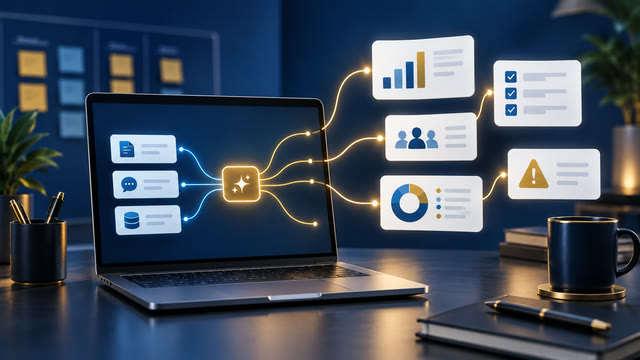
AI Systems with Claude, for Scrum Masters and Project Managers

Most AI pilots in project management do not fail on the model. They fail because somebody pointed the thing at a decision instead of at a task. This course is built around that distinction, and around the work that follows once you get it right.

Eight teaching sections, taught against one running project from the first lecture to the last. You watch a system get built, then you build the same one against your own sprint. Nothing here is a demo that works only on the example.

You finish with five working systems and you keep them. The sprint report machine turns your board export and standup notes into the report you currently write by hand. The retro intelligence system tells you what the team keeps saying, not just what it said this time. The stakeholder comms engine drafts the update in the register the audience expects. The backlog health monitor flags the quiet decay nobody has time to check for. The risk and dependency tracker follows the chains that actually bite.

Seventy-six working files ship with it, across four sections, so every system is built against real sprint data rather than material invented for a slide. Four sprints of retrospectives, board exports, standup notes, backlog and risk data.

Explore the Course


Advance your Lean Six Sigma expertise!

HK School of Management and Technology helps you take Lean Six Sigma to the next level without the overwhelm. Master advanced statistical tools, Excel-based analysis, and real-world improvement techniques to solve complex problems with confidence. Practical skills, tools, and guidance you can apply right away. Covered by Udemy's 30-day refund policy.

Learn More